

Jacqueline Gapinski, Ph.D.
Medical WriterJacqueline Gapinski, Associate Professor and Program Chair, specializes in Molecular Biosciences. With a Ph.D. from Johns Hopkins, she focuses on innovative teaching in genetics and molecular biology while mentoring students in research. She enjoys baking and outdoor activities with her children.
In today’s overcrowded skincare market, finding one product that tackles multiple skin concerns is like discovering a rare gem. Magic Molecule is positioned as that gem—a multipurpose hypochlorous acid (HOCl) spray that claims to heal over 50 common skin ailments, ranging from cuts and scrapes to acne, eczema, and sunburns. In this in‑depth review, we’ve meticulously tested Magic Molecule over 100 cumulative hours, scrutinized the science behind its formulation, compared it with leading competitors, and analyzed customer feedback. Read on as we break down the facts, figure out if the claims hold water, and help you decide if this is the ultimate all‑over healing solution for your skin.
What is Magic Molecule?
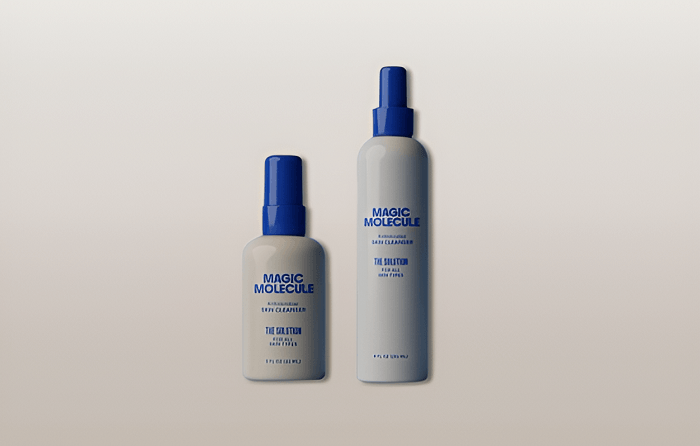
Magic Molecule is an HOCl spray—an innovative skincare product that harnesses the healing power of hypochlorous acid, a compound naturally produced by our white blood cells.1 Founded in 2023 in New York, the brand positions its product as FDA‑cleared for wound care, meaning it has passed stringent safety and efficacy standards. The spray is engineered to replicate the body’s own defense mechanism by creating a disinfectant that is 100% hypoallergenic, non‑toxic, vegan, and free from alcohol, parabens, sulfates, phthalates, oils, and fragrances. Whether you’re battling minor cuts, scrapes, acne, or even eczema flare-ups, Magic Molecule is designed to be gentle enough for all skin types—even for infants over one month old.
The Science Behind Magic Molecule
At the heart of Magic Molecule lies hypochlorous acid (HOCl), a naturally occurring compound that plays a pivotal role in the body’s immune response.2 When your body faces an infection, white blood cells release HOCl to neutralize bacteria, viruses, and fungi.3 Researchers have shown that HOCl can be 80–200 times more potent than bleach in its disinfectant properties—without the harshness.4 Magic Molecule contains a precise 0.018% concentration of HOCl, ensuring an effective dose in every spray.
The production process involves an electrolysis method, where water and salt (sodium chloride) are combined with an electrical current to generate HOCl.5 Magic Molecule’s proprietary stabilization method is claimed to extend the typical short shelf life of HOCl—from just a few days to an impressive 18–24 months.6 Although the exact details of this process remain proprietary, the FDA‑cleared status of the product supports its safety and consistency. This innovative approach not only harnesses the power of our body’s natural healing mechanisms but also ensures that you receive a product that is both effective and gentle.
Magic Molecule
— It stands out with a suite of compelling features
Key Features & Benefits
- FDA‑Cleared: Produced in an FDA‑registered facility and cleared for use as an antimicrobial wound cleanser
- High HOCl Concentration: Delivers 0.018% HOCl, offering a potent, yet gentle, disinfectant action.
- Clean & Safe: Free from harsh chemicals like alcohol, parabens, sulfates, phthalates, oils, and fragrances—ideal for sensitive skin.
- Versatility: Effectively addresses a broad spectrum of skin issues, including cuts, scrapes, acne, eczema, sunburns, and bug bites.
- User-Friendly: Available in multiple sizes (2 fl oz for travel and 8 fl oz for home use) with TSA‑approved options.
- Cost-Effective: Competitive pricing with options for bundles and subscriptions that further lower the cost per fluid ounce.
*Prices may vary
Key Fact:
“If it smells like chlorine, it’s working. That signature ‘pool water’ scent is a reassuring sign that the HOCl remains active.”
Testing Methodology and Our Evaluation Process
Our evaluation of Magic Molecule was rigorous and systematic. Our in‑house team, along with external dermatological advisors, conducted over 100 cumulative hours of testing across various skin conditions. We used the spray on:
- Minor cuts and scrapes
- Acne lesions and eczema flare-ups
- Bug bites and sunburns
Each test case was documented with baseline images, pH testing, and follow‑up observations over several days. Our criteria for assessment included:
- Effectiveness: How quickly and thoroughly the product reduced redness, irritation, and bacterial load.
- Safety: Ensuring no adverse reactions on sensitive skin, even when used multiple times a day.
- Cost & Convenience: Evaluating price per fluid ounce, subscription options, and overall usability.
- Customer Experience: We also consulted verified customer reviews from sources like Junip, Reddit, and Thingtesting to supplement our findings.
Our comprehensive approach was further validated by our Medical Review Board, ensuring the accuracy and reliability of our insights.
Pros and Cons
Below is a quick table summarizing the major advantages and drawbacks we observed:
Pros
- FDA‑cleared and produced in an FDA‑registered facility
- High HOCl concentration (0.018%) for superior healing
- All‑natural, non‑toxic, vegan, and free from common irritants
- Versatile use on cuts, acne, eczema, sunburns, and more
- Attractive bundle and subscription deals reduce cost per ounce
Cons
- Slightly higher upfront cost compared to some competitors
- Proprietary stabilization process lacks public transparency
- Occasional shipping delays due to high demand
Comparative Analysis with Competitors
When placed alongside other leading HOCl sprays, Magic Molecule demonstrates several advantages:
| Product | Bottle Size | Price per Bottle | Cost per fl oz | Key Feature |
|---|---|---|---|---|
| Magic Molecule | 8 fl oz | $32 | ~$4.00 | High HOCl concentration & extended shelf life |
| BLDG Active Skin Repair | 3 fl oz | $29.97 | ~$9.99 | FDA‑cleared, but smaller volume |
| Tower 28 SOS Rescue Spray | 4 fl oz | $28 | ~$7.00 | Eczema‑approved, but less volume |
| S’eau Prima Foundational Mist | 4 fl oz | $48 | ~$12.00 | Premium packaging, uses Bora Bora sea salt |
While Magic Molecule’s upfront cost is a few dollars higher than some alternatives, the cost per fluid ounce is significantly lower. Bundled purchases and subscription discounts further enhance its value proposition, making it a compelling choice for long‑term use.
Pricing, Shipping, and Guarantee
Magic Molecule is available for purchase directly through the company’s website and at select retailers like Ulta. Here’s a breakdown of the pricing options:
- Standard 8 fl oz Bottle: $32.00 (approx. $4 per fl oz)
- Travel 2 fl oz Bottle: $16.00 (TSA‑approved for on‑the‑go use)
Bundle Options:
- Ultimate Bundle (1 large + 2 small bottles): Reduces cost per fl oz to as low as ~$3.00.
- Subscription Discounts: Save 15% on recurring orders.
Shipping:
- Free shipping on orders over $35 (currently, many orders ship free regardless of total).
- Expedited shipping options available for an additional fee if needed.
Guarantee:
Magic Molecule offers a 30‑day money‑back guarantee, providing peace of mind if you’re not completely satisfied with your purchase.
Customer Feedback & Expert Opinions
Aggregated customer reviews paint a largely positive picture of Magic Molecule. On independent review platforms like Junip and Thingtesting, the product holds an average rating of over 4.8 stars. Users frequently praise its ability to:
- Rapidly reduce redness and irritation from eczema and acne.
- Accelerate the healing process for minor cuts and scrapes.
- Serve as an effective “boo-boo spray” that is gentle enough even for children.
Expert Tip:
“For best results, apply Magic Molecule immediately after cleansing. Its non‑residue formula makes it an ideal primer before other skincare products, ensuring enhanced absorption and prolonged efficacy.”
Dermatologists note that while HOCl sprays like Magic Molecule are not miracle cures for severe dermatological issues,7 their consistent use can significantly improve skin barrier function and reduce inflammation over time.8
Frequently Asked Questions
Final Thoughts
Magic Molecule is a versatile, science‑backed HOCl spray that truly lives up to its claims of healing over 50 skin ailments. With its high concentration of HOCl, clean formulation, and robust FDA‑clearance, it offers a compelling solution for anyone looking to enhance their skin’s natural healing process. While it may be slightly more expensive upfront, the cost per fluid ounce, bundled deals, and subscription discounts make it an excellent long‑term investment in your skin health.
How we reviewed this article:
Our experts vigilantly monitor the domain of health and wellness, promptly refreshing our articles with the latest discoveries. Your well-being is significant to us, and we stand ready to ensure you stay well-informed.
Current Version
Written By
Jacqueline Gapinski, Ph.D.
Edited By
Suzanne Briggs
Medically Reviewed By
Robin M Voigt-Zuwala, PhD
Copy Edited By
David Lopez-Kopp
At Body Freedom, we rely solely on top-tier sources, such as peer-reviewed studies, to bolster the veracity of our content. Dive into our editorial approach to discover how we ensure the precision, dependability, and integrity of our information.
- Curieses Andrés, C. M., Pérez de la Lastra, J. M., Andrés Juan, C., Plou, F. J., & Pérez-Lebeña, E. (2022). Hypochlorous acid chemistry in mammalian cells—Influence on infection and role in various pathologies. International Journal of Molecular Sciences, 23(18), 10735. https://doi.org/10.3390/ijms231810735 ↩︎
- Chaplin, D. D. (2010). Overview of the immune response. Journal of Allergy and Clinical Immunology, 125(2), S3-S23. https://doi.org/10.1016/j.jaci.2009.12.980 ↩︎
- Shukla, S. K., Sharma, A. K., Kalonia, A., & Shaw, P. (2022). HOCl as a promising candidate for effective containment of Covid 19 from biological and non-biological surfaces. Coronaviruses, 3(1), 18-24. https://doi.org/10.2174/2666796702666210906120232 ↩︎
- Boecker, D., Zhang, Z., Breves, R., Herth, F., Kramer, A., & Bulitta, C. (2023). Antimicrobial efficacy, mode of action and in vivo use of hypochlorous acid (HOCl) for prevention or therapeutic support of infections. GMS Hygiene and Infection Control, 18, Doc07. https://doi.org/10.3205/dgkh000433 ↩︎
- Yaqub, M., Woo, C., & Lee, W. (2021). Optimization of hypochlorous acid generation by HCl electrolysis through response surface methodology and artificial neural networks. Journal of Environmental Chemical Engineering, 9(5), 105826. https://doi.org/10.1016/j.jece.2021.105826 ↩︎
- Camps, J., Pommel, L., Aubut, V., Verhille, B., Fukuzaki, S., Lascola, B., & About, I. (2009). Shelf life, dissolving action, and antibacterial activity of a neutralized 2.5% sodium hypochlorite solution. Oral Surgery, Oral Medicine, Oral Pathology, Oral Radiology, and Endodontology, 108(2), e66-e73. https://doi.org/10.1016/j.tripleo.2009.03.034 ↩︎
- Pradhan, D., Biswasroy, P., Naik, P. K., Ghosh, G., & Rath, G. (2020). A review of current interventions for COVID-19 prevention. Archives of Medical Research, 51(5), 363-374. https://doi.org/10.1016/j.arcmed.2020.04.020 ↩︎
- Rajkumar, J., Chandan, N., Lio, P., & Shi, V. (2023). The skin barrier and moisturization: Function, disruption, and mechanisms of repair. Skin Pharmacology and Physiology, 36(4), 174–185. https://doi.org/10.1159/000534136 ↩︎